
There are times when you experience computer problems and you might hesitate to call in the big guns to resolve the issue. Unfortunately, the reality is that many businesses are under the impression that calling experts to handle their computer problems will leave them in a difficult position financially. We’re here to make sure that doesn’t happen! Here are three common computer repair problems that you might—just might—be able to solve in a simple and easy way.
If there is one shared priority most businesses and other organizations need to have it’s a strategy on how they are going to go about securing their network, infrastructure, and data from the numerous threats they face. Let’s take a look at three of the most crucial issues surrounding organizational cybersecurity as we head into the new year.
Smart devices and Internet-of-Things devices in general have taken the world by storm, and a home without at least a handful of smart devices is quite rare to find these days. However, smart devices—or devices that connect to the Internet to perform various functions—must be approached with a certain level of caution.
The holiday season has a variety of famous key players, including the likes of Santa, Rudolph, and the rest of the North Pole crew. Each year, they use their magic to help spread goodwill and joy to all the nice children of the world… but did you know that they are also responsible for protecting those who make the naughty list from Santa’s villainous counterpart, Krampus?
As the official managed service provider for Santa’s operation, we have been cleared to share the story about how we’ve helped defy Krampus to save Christmas.
Data breaches are an unfortunate reality in this day and age, even during the holiday season. While it is important to do everything you can to prevent these kinds of disasters, you need to be prepared to deal with it—both in terms of your operations, and in terms of communicating with your clientele.
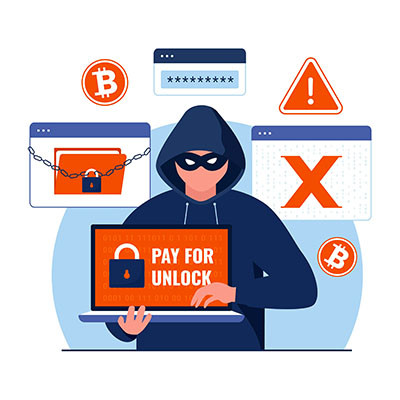
There’s no way around it; ransomware is bad stuff, plain and simple. The first half of 2021 saw a massive increase in ransomware attacks that made the lives of countless individuals and business professionals difficult. However, a new trend is surfacing, and it’s one that you might be surprised to see: fake ransomware threats.
Twitch, Amazon’s popular streaming service where gamers and content creators broadcast to wide audiences, recently suffered a data breach. Thanks to this data breach, folks on the Internet now know just how much these content creators make, and it has exposed a whole new issue that Amazon must resolve.
Many threats immediately make themselves known on your device the second they install themselves, like ransomware and other types of malware. Others, like this newly discovered threat called MosaicLoader, discreetly install themselves in the background of your device and cause problems behind the scenes.
Even the most cautious employee could fall victim to a well-placed and well-timed phishing email. What are some factors that contribute to the success of these attacks, and what subject lines in particular should people be cautious about? A recent study takes a look at what goes into a successful phishing attack, and you might be surprised by the results.
You often hear about malware that infects desktop PCs, laptops, or servers, but other types of malware that infect mobile devices also exist. One such malware, a threat called TangleBot, has been discovered, and it can become seriously problematic for both workers and consumers utilizing Android devices—especially in today’s mobile-centric workplace.
It can be too easy to overlook the importance of technology and its security, particularly in industries that are deeply steeped in tradition, regardless of how crucial that security may seem when actually considered. Just consider the modern law firm, where technology, data, and the security of such is paramount.
Virtual private networking, while maybe not the most familiar term to everyone, at least seems to be pretty straightforward. Such a specific-sounding term must apply to one aspect of technology and that one aspect alone, right?
Well, kind of, sort of, not really. In actuality, there are two kinds of VPN. Let’s go over what makes them different, and which your business should utilize.
The cyberattack on SolarWinds was devastating for many reasons, and Microsoft has officially uncovered yet another type of malware used in the attack on the software provider. This time, it is a backdoor threat they have named FoggyWeb. What does this threat do and why is it so important to look at this incident even now?
Windows 11 seems to be rapidly approaching, so now is the perfect time to discuss Windows upgrades and upcoming end-of-life scenarios, including Windows 8.1, which is slated to expire in 2023. You might be wondering if you have the hardware to handle this upgrade, and that’s a valid question, but what does the end-of-life scenario for Windows 8.1 really look like for your business? Let’s take a look.
A new ransomware attack has surfaced, this time mostly targeting IT companies and their clients. The attack is specifically targeting the Kaseya platform. Kaseya is management software that many IT companies use to remotely manage and support technology. The attack in question attacked Kaseya’s supply chain through a vulnerability in its VSA software; this attack is notable because of how it targeted the supply chain, not only striking at the vendor’s clients—notably IT companies—but also their customers. Basically, this attack had a trickle-down effect that is causing widespread chaos for a massive number of businesses.
While it only makes sense to assume that a cybercriminal would focus specifically on those targets that would bring them the greatest profit—in other words, larger businesses—the reality of modern cybercrime renders this assumption grossly outdated. Let’s examine how different developments in ransomware have made it possible for cybercriminals to be far less discerning in who they target.
Another ransomware threat is out and about, this time targeting unpatched and end-of-life products in SonicWall’s Secure Mobile Access (SMA) 100 series and Secure Remote Access (SRA) products. To make things worse, the threat is currently being used, so businesses utilizing these devices must take action now to limit how much damage this ransomware can do.